Powered boats
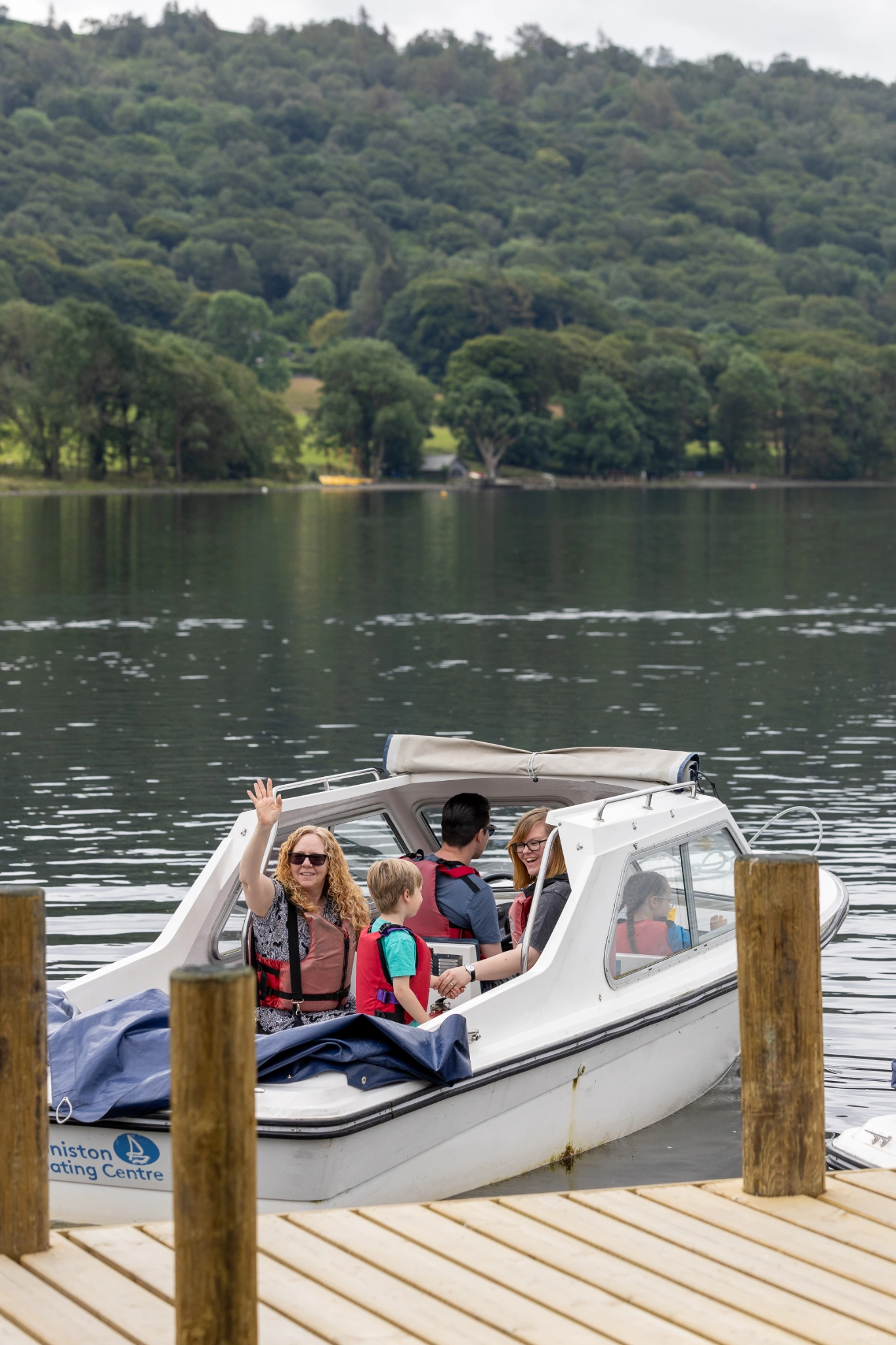
- If you’re in charge of a boat, ensure you keep to the speed limit
- Ensure you are aware of the lake byelaws on Coniston Water
- If your boat has an engine, it’s classed as powered and power gives way to sail
- All vessels should give way to commercial pleasure craft
- Kill cords can save lives – clip it to kill it
All boats
- Make sure your life jacket or buoyancy aid is ‘CE Approved’
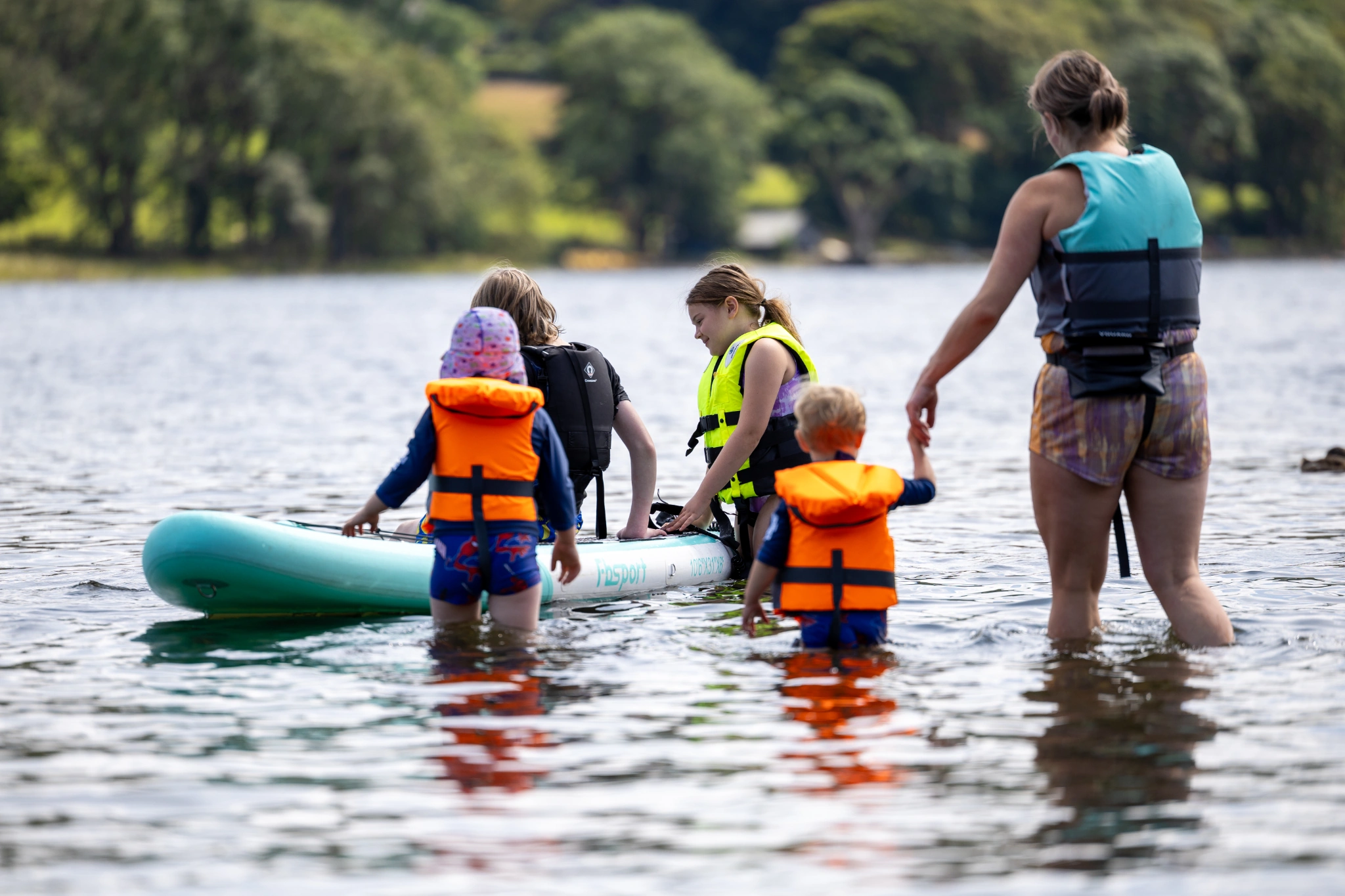
- Wear your life jacket when you’re near or on the water
- Fit a carbon monoxide and smoke detector to your boat – it could save a life
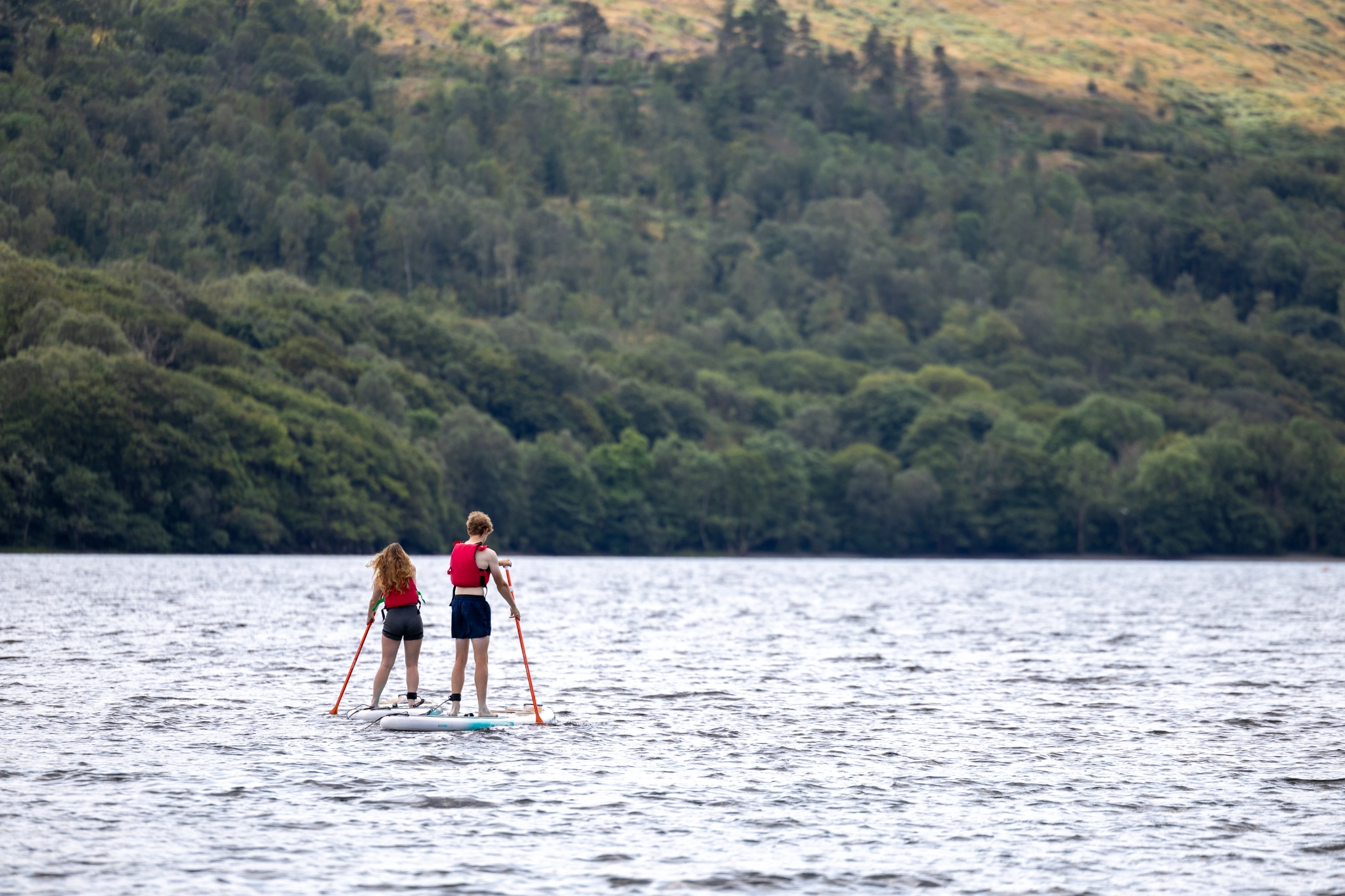
All boats, canoes, kayaks and paddleboards
- Wind direction can change suddenly, be prepared, it can make paddling much harder
- Look out for large boats turning, they need plenty of room!
- Always pass two ferry lengths to the rear of the car ferry
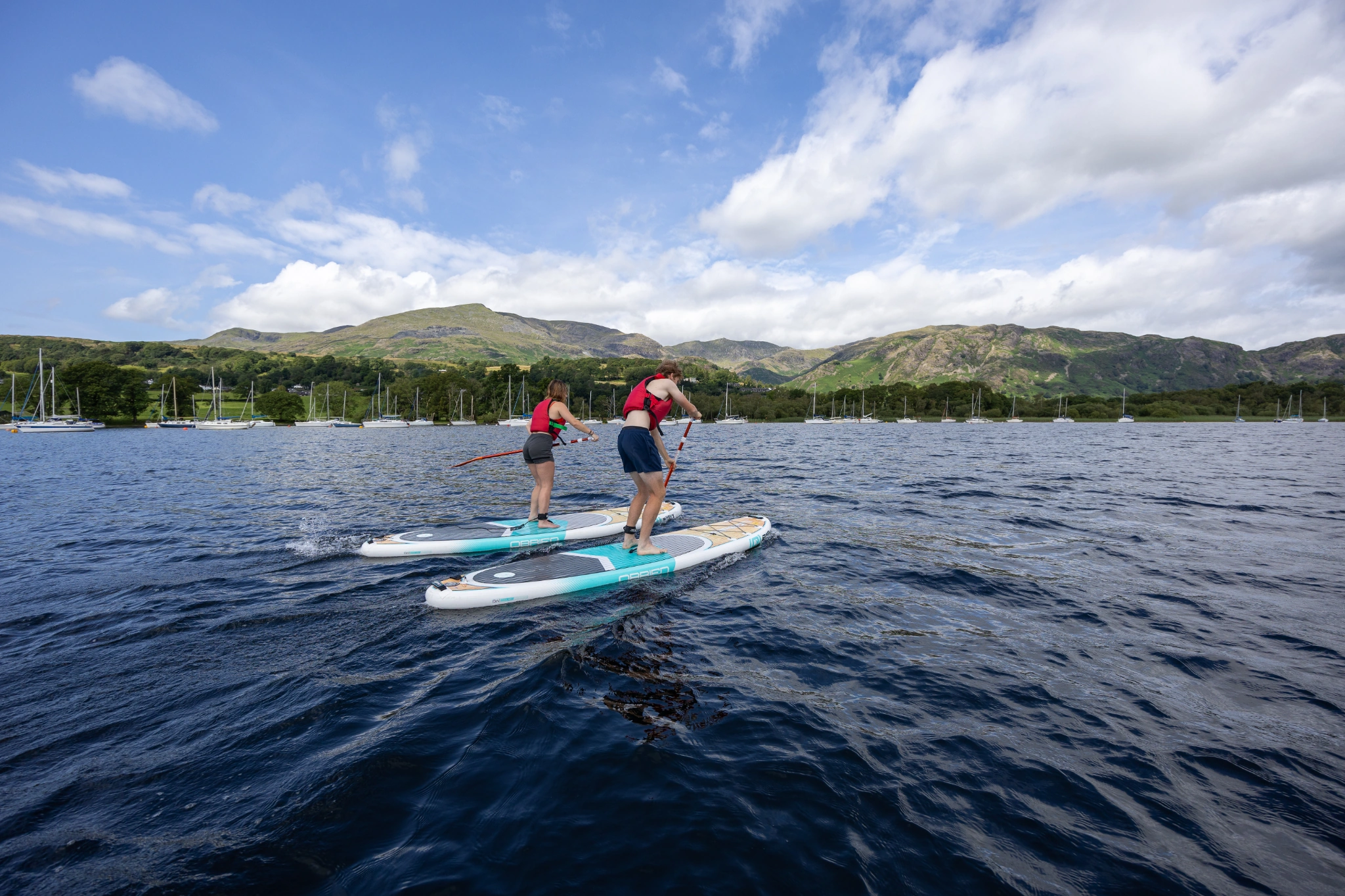
- Canoe, kayak/paddleboard with someone else or hire a guide, stay close to shore
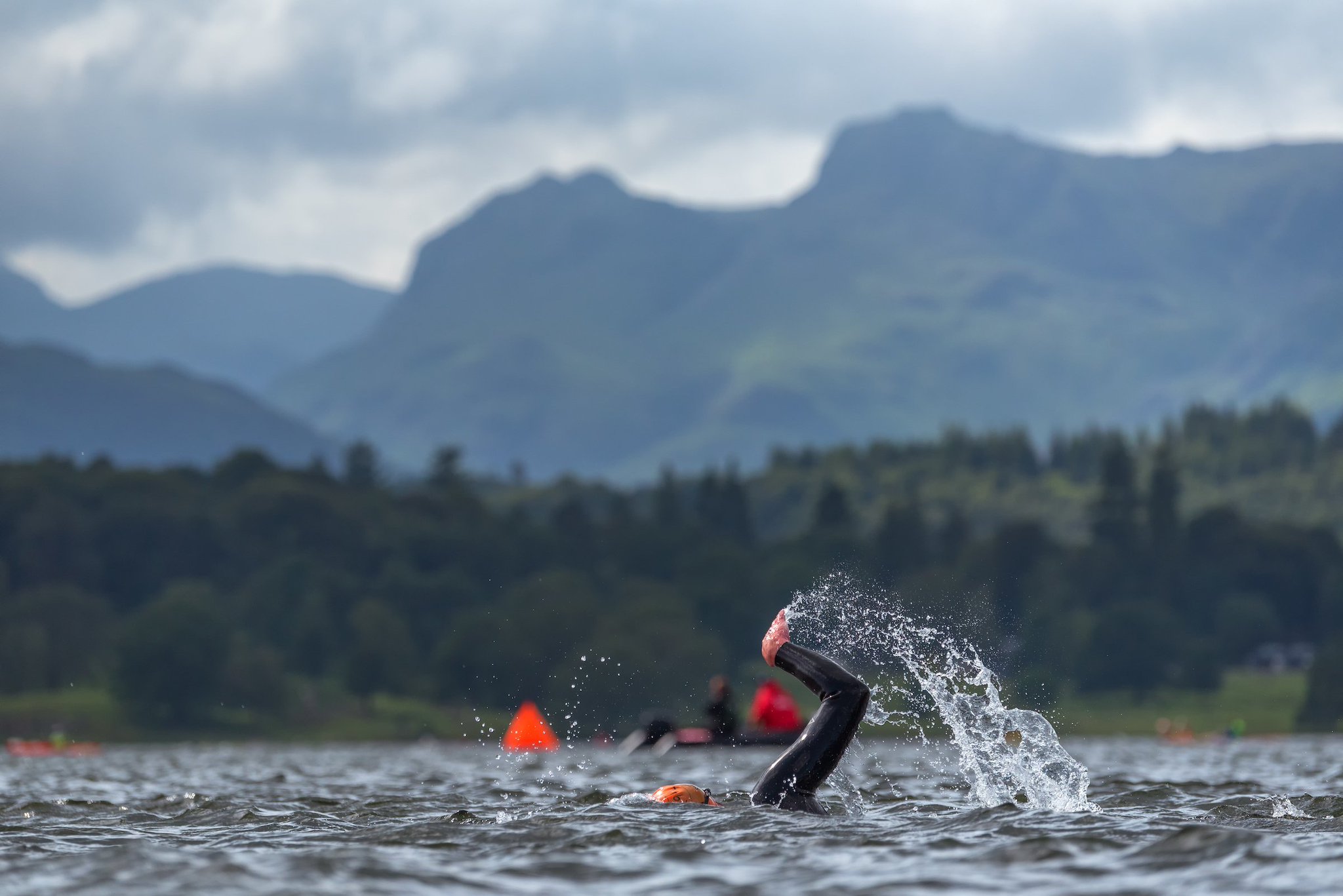
Keep clear of swimmers
- Watch out for blue and white flags, swimmers and divers are in the water and can be hard to spot
- Keep as far away from swimmers and their support boats as possible
- Remember boats supporting swimmers can not move out of your way
- In an emergency, if you do get too close to a swimmer, turn off your engine to stop injury from propellers
Safety videos from our rangers
Carbon monoxide safety on boats
If you have your own boat please make sure that you have installed a carbon monoxide detector. These can be bought from Ferry Nab or any hardware store.
Kill cords on boats
If you are driving a boat that is fitted with a motor please make sure you are wearing a kill cord at all times. Our Lake Ranger explains how to wear one appropriately.
Life jacket checks
Life jackets should be worn during any water sport activity. Make sure you know how to care for yours.
In an emergency
Call 999 and ask for the coastguard.
Check - Clean - Dry
Helping our wildlife
During the warmer weather, blue green algae may occur on some waters. While this occurs naturally, it can be toxic and lethal to animals. Our Lake District National Park website page on blue green algae explains what to look out for and how to report a sighting.
Invasive non-native species of wildlife can hitchhike on equipment, footwear, clothing and boats. You may inadvertently spread the aliens even if you just go for a paddle! Every time you leave any water such as a river, tarn or lake:
Check your equipment and clothing for living organisms. Pay particular attention to damp or hard to inspect areas.
Clean and wash all equipment, footwear and clothes thoroughly. If you do come across any organisms, leave them at the water body where you found them or on a hard surface to die out.
Dry all equipment and clothing. Some species can live for many days in damp conditions.